







Overview
What Type of Cat Litter Are You Packing?
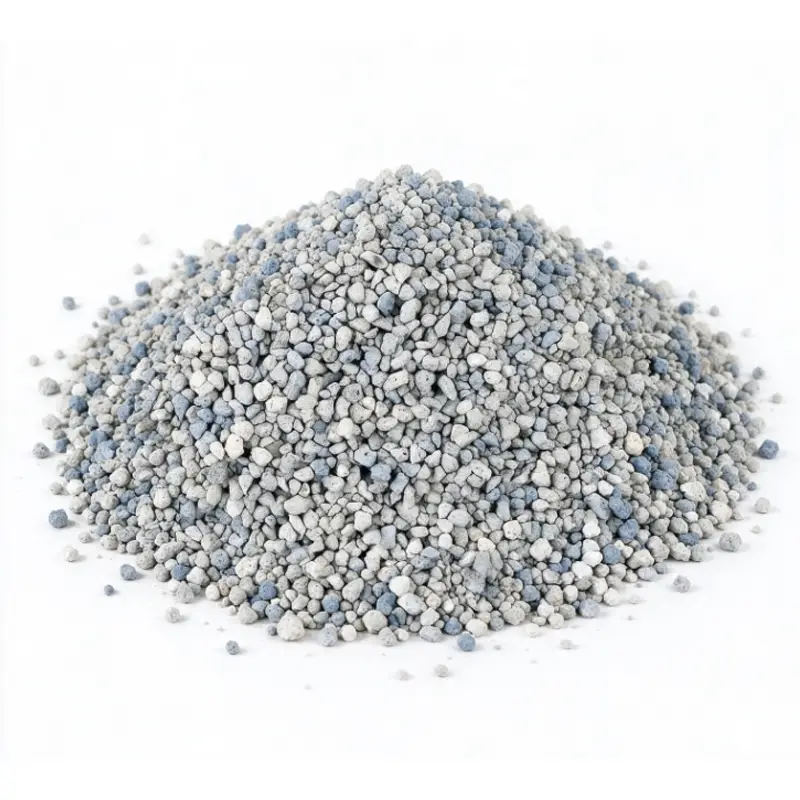
Cat litter products may look similar in a finished bag, but their physical properties can vary considerably. Fine bentonite granules may generate dust during handling, while tofu cat litter usually consists of lightweight, elongated pellets. These differences affect product feeding, weighing, filling, and the way the finished bag is handled.
Bentonite Cat Litter
Tofu Cat Litter

Mineral Cat Litter

Silica Gel Cat Litter

Which Bag Format Works Best for Your Cat Litter?
FRONTECH offers different bagging options for cat litter, including premade stand-up pouches, zipper pouches, gusset bags and pillow bags. The right format depends on the litter type, pack weight and packaging design.

Stand-Up & Zipper Pouches
Premade pouches are suitable for cat litter products that need an attractive retail presentation. Depending on the bag design and weight, a premade pouch packing machine can automatically open the pouch, fill it, seal it, and discharge the finished package.

Gusset Bags
Gusset bags provide additional space for bulkier or heavier packages and can offer a wider finished shape. The bag dimensions, film structure, and sealing arrangement should be checked against the target filling weight.
Popular Packaging Solutions forcat litter Applications
There is no single configuration that works equally well for every cat litter product. The following options provide a starting point for selecting equipment. Actual speed and weighing performance should be confirmed using your product and bag samples.

Cat Litter Premade Pouch Packing Machine with Multihead Weigher
The Cat Litter Packaging Machine is designed for automatic weighing and packing of bentonite cat litter, tofu cat litter, mineral cat litter and other granular pet litter products into premade pouches. Equipped with a multihead weigher, the system provides accurate weight-based dosing and automatically completes pouch feeding, opening, filling and sealing for efficient continuous production.

Manual Feeding VFFS Packaging Machine
Designed for products that require flexible manual loading instead of a fully automatic dosing system, this manual feeding VFFS packaging machine allows operators to place products into the feeding section while the machine automatically completes bag forming, filling, sealing, and cutting. The flexible feeding method makes it suitable for products with irregular shapes, mixed components, variable quantities, or applications where conventional automatic weighing and dosing systems are not practical.
How Does a Cat Litter Packaging Line Work?
A well-planned packaging line coordinates product feeding, weighing, filling, sealing, and finished-bag handling. The exact layout depends on the cat litter type, required package weight, available workshop space, and level of automation.
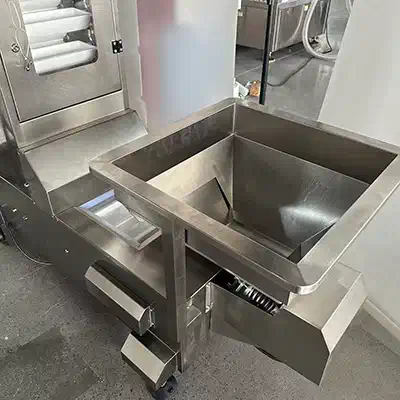
Feed the Cat Litter
The product is transferred from the feeding hopper to the weighing section using a suitable conveyor or elevator. Feeding speed and transfer design should match the litter's particle characteristics and help maintain a steady product supply.
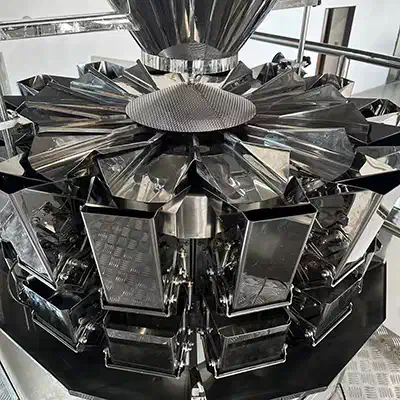
Weigh the Target Quantity
The weighing system measures the required amount of cat litter for each bag. The suitable system depends on particle size, bulk density, target weight, and required accuracy. Product trials help confirm the configuration.
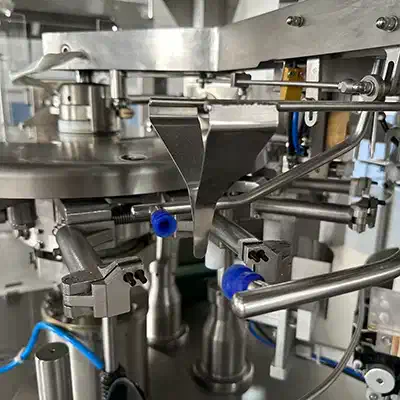
Fill & seal
The measured litter is transferred into a premade pouch or a bag formed by a VFFS machine. The sealing system must be compatible with the packaging material and bag structure. For dusty products, keeping the sealing area clear is especially important.
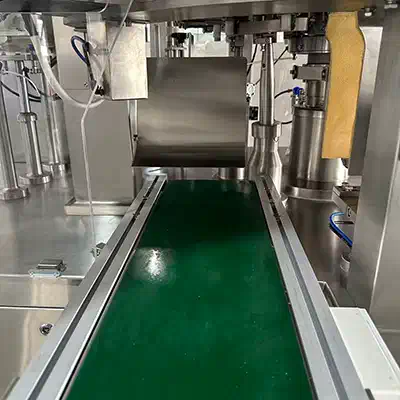
Discharge
Finished bags will be automatically discharged by the conveyor to the next steps, the discharge conveyor speed adjustable.
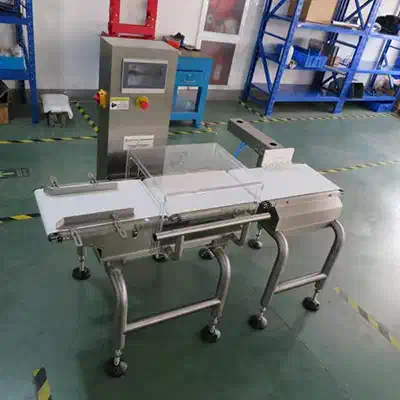
Check weight
A checkweigher verifies the final package weight and can reject packs outside the preset tolerance.
Videos of Cat Litter packaging
Cat Litter Premade Pouch Packing Machine
Cat Litter VFFS Packaging Machine
Cat Litter Packaging Machine FAQs
Choosing a packaging machine often raises practical questions about dust, heavy bags, weighing accuracy, and production speed. Here are some points worth considering before selecting a system.
Can one packaging machine handle different types of cat litter?
It may be possible, provided the different products fall within the machine's operating range. Bentonite granules, tofu pellets, mineral litter, and silica gel crystals can behave differently during feeding and weighing. Product changeovers may require adjustments or additional testing to confirm performance.
How can dust around the filling and sealing area be reduced?
Start by evaluating where dust is generated, particularly at product transfer points and during filling. A suitable feeding layout, controlled product discharge, and appropriately positioned dust collection can help. The sealing area should also be checked to reduce the risk of trapped particles affecting seal quality.
What should I consider when packing heavier cat litter bags?
Bag strength, film thickness, seal design, and the way filled bags are supported all matter. The machine must also accommodate the target weight and finished bag dimensions. Testing the actual packaging material and filled bag is recommended before finalizing the configuration.
How do I choose the right weighing system for cat litter?
The decision depends on particle size, bulk density, target package weight, and required accuracy. A weighing system should be evaluated using the actual litter rather than selected by weight range alone. Trials can help determine whether the proposed system provides stable feeding and consistent results.
What determines the packaging speed?
Actual output depends on the filling weight, product flow, bag dimensions, weighing cycle, sealing time, and how the line is arranged. Larger bags or products that require more careful handling may run differently from smaller packs. The final speed should be confirmed for the selected configuration.
PLAN YOUR PROJECT
Tell us what you need to pack.
Share your product, bag type, filling weight and target output. We’ll help you identify a suitable configuration.