







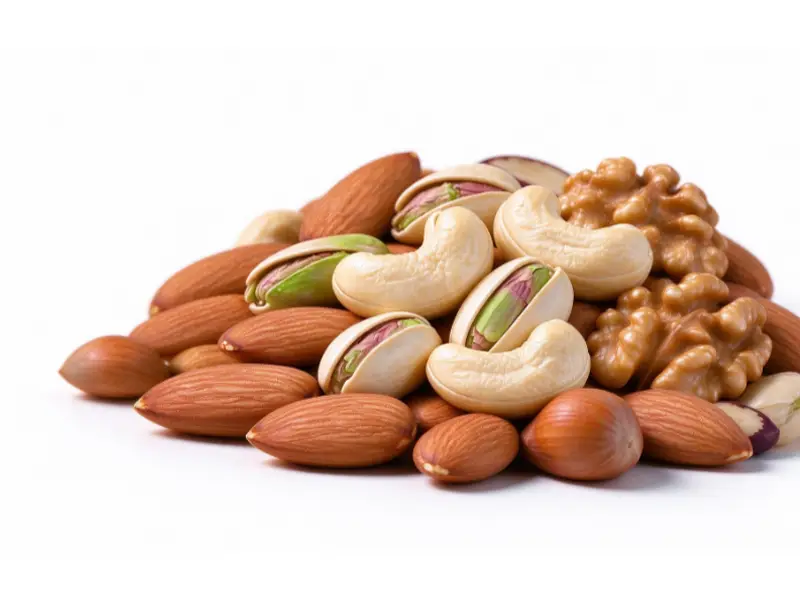
Nuts may seem easy to package, but achieving consistent results at production scale takes more than simply filling a bag to the correct weight. Whole cashews can break during transfer, mixed nuts can be difficult to weigh consistently, and a poorly sealed package may allow moisture or oxygen to affect product quality during storage.
The right packaging setup depends on several factors: the type of nuts you handle, your target pack weight, the bag format you use, and the output your production line needs to achieve.
Whether you package almonds, peanuts, pistachios, cashews, or mixed nuts, this guide explains the main factors to consider before investing in a nut packaging machine.
1. Start with the product, not the machine
Different nuts have different physical characteristics. Their size, shape, fragility, and flow behavior can affect feeding, weighing, and product transfer.
| Product | What to pay attention to |
| Almonds | Product flow, weighing consistency, and breakage |
| Cashews | Gentle transfer to help protect whole pieces |
| Peanuts | Stable feeding and the required pack weight |
| Pistachios | Product dimensions, shell condition, and bag size |
| Mixed nuts | Variation in piece size and consistent distribution |
These are general considerations rather than fixed machine specifications. The best way to evaluate a machine is to test it with your actual product.
For example, a machine that performs well with whole almonds may need different feeding settings when handling cashews or a mixture of nuts and dried fruit.
Practical tip: Before requesting a quotation, prepare a sample of your product and identify whether you will package whole nuts, broken pieces, roasted nuts, or mixed products.
2. Vertical packing machine or premade pouch machine?
The packaging format is one of the first decisions to make. Two common options are vertical form-fill-seal machines and premade pouch packing machines.

Vertical Packing Machine
A vertical packing machine forms bags from a roll of packaging film, fills them with product, and seals them. Depending on the machine configuration, it can produce compatible pillow bags and certain gusseted bags.
It is worth considering when you want to use roll film and need an integrated bag-forming and filling process.

Premade Pouch Packing Machine
This machine fills and seals bags that have already been manufactured, including compatible stand-up pouches and zipper pouches.
It can be suitable for brands that have already selected their retail pouch design and want to retain that packaging format.
Neither option is automatically better. The right choice depends on your packaging materials, bag design, required output, and budget.
| Comparison | Vertical packing machine | Premade pouch packing machine |
| Packaging material | Roll film | Ready-made pouches |
| Bag preparation | Forms bags on the machine | Opens prepared pouches |
| Main consideration | Film compatibility and bag forming | Pouch feeding, opening, and sealing |
| Before ordering | Confirm film width and bag dimensions | Provide pouch samples and dimensions |
If your packaging design is already finalized, send the supplier a sample pouch before choosing a model. The zipper, pouch bottom, gusset, material stiffness, and opening dimensions can all affect machine compatibility.
3. How Can You Reduce Broken Nuts and Weighing Errors?
For many nut packaging applications, a multihead weigher is a practical choice. It uses multiple weighing hoppers to calculate a combination of weights that approaches the target amount for each package.
However, the weighing unit is only one part of the process. Product feeding, nut size, target weight, machine settings, and discharge design can all influence the final result.
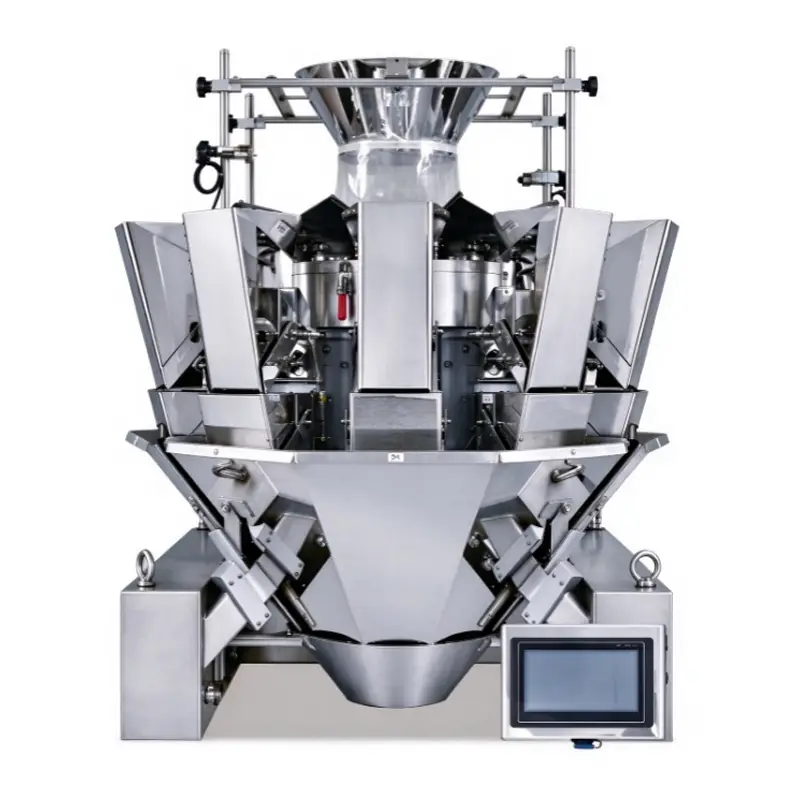
Two areas deserve particular attention.
Weighing performance: Ask the supplier to test your nuts at your intended pack weight. Request actual test results and clarify the conditions under which the stated accuracy can be achieved.
Product handling: Examine the transfer points between the feeding system, weighing unit, and bag. Unnecessary drops or abrupt transfers may increase breakage, especially when handling fragile whole nuts.
| Question to ask the supplier | Why it matters |
| Can you test my actual product? | Different nuts may behave differently under the same settings |
| What accuracy can you achieve at my target weight? | Accuracy should be evaluated under defined test conditions |
| What is the expected finished-pack speed? | Actual output depends on the complete packaging process |
| How are the feeding and discharge points designed? | Helps assess product handling and potential breakage |
| Can you demonstrate the machine using my bag? | Confirms compatibility with the intended packaging format |
A machine demonstration using your own product is more useful than relying on a general speed or accuracy claim alone.
4. What Keeps Packaged Nuts Fresh?
Nuts contain natural oils that can oxidize over time, affecting flavor and quality. Packaging can help protect nuts during storage, but shelf life also depends on the nut variety, processing conditions, storage temperature, packaging material, and other factors.
Research from the University of California, Davis, explains how oxygen exposure and storage conditions influence nut quality. Its guidance on modified-atmosphere packaging for pistachios discusses the role of reduced oxygen in delaying rancidity and other quality deterioration.
Three packaging factors deserve particular attention.
Packaging film
The film's oxygen and moisture barrier properties affect how well the package protects the nuts. A material that works for one nut product or storage condition may not be suitable for another.
Discuss the intended shelf life, storage environment, and packaging structure with your film supplier.
Sealing quality
Even a suitable barrier film cannot provide reliable protection if the seals are weak, contaminated with product, or inconsistent. Seal temperature, pressure, dwell time, and material compatibility should be checked during testing.
Nitrogen flushing
Nitrogen flushing replaces some of the air inside a package before sealing. When properly designed for the product and packaging material, it can help reduce oxygen exposure.
However, nitrogen flushing alone does not guarantee a specific shelf life. The required residual oxygen level, film barrier properties, seal integrity, and storage conditions should all be evaluated.
For more technical background, see the University of California, Davis guidance on pistachio storage and modified atmospheres.
What about food-contact materials? If your nuts are sold in a regulated market, confirm that the packaging material is suitable for the intended food-contact application. The U.S. Food and Drug Administration provides guidance on food packaging and food-contact substances. Requirements vary by market, material, and intended conditions of use.
5. What Information Should You Prepare Before Requesting a Quotation?
You do not need a complete engineering specification to start a discussion with a packaging machinery supplier. However, providing the following details early can make machine selection more accurate.
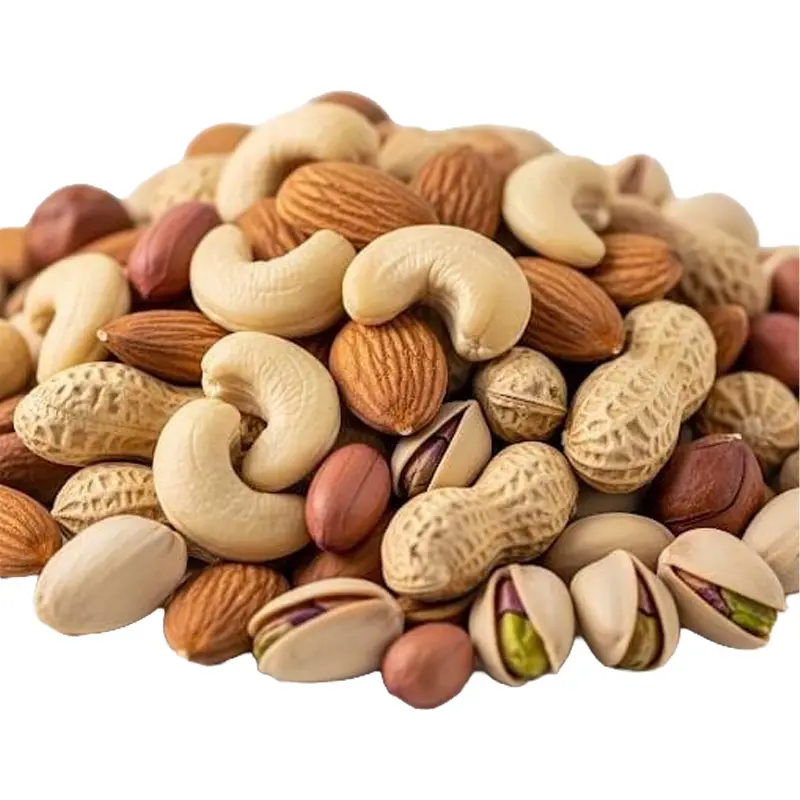
Product type
Identify the nuts you are packing and whether they are whole, broken, shelled, roasted, or mixed with other ingredients.
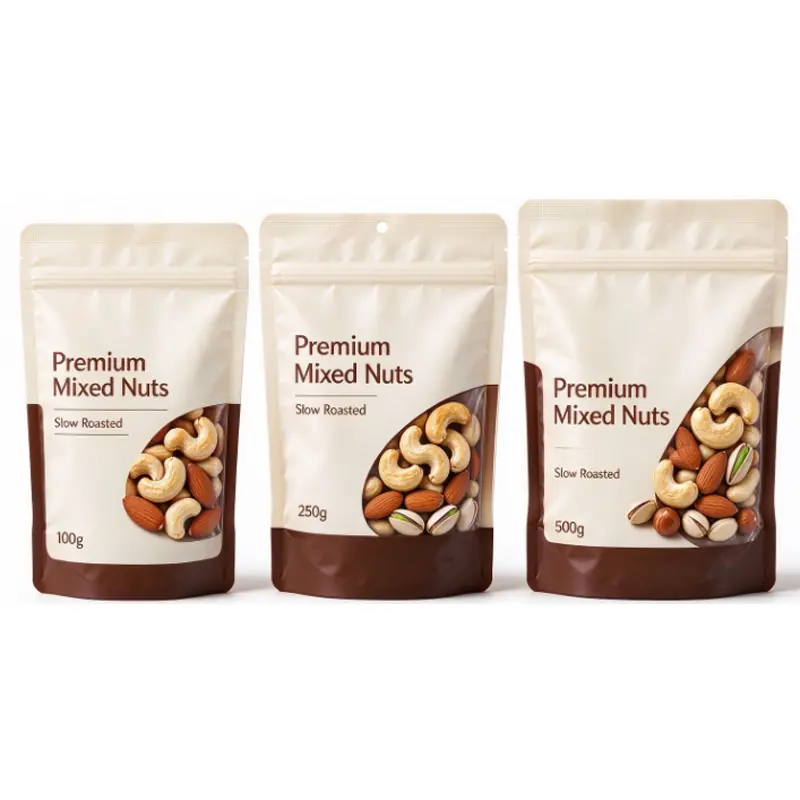
Target weight
Specify the required weight per bag, such as 100 g, 250 g, 500 g, or 1 kg. The target weight helps determine the appropriate weighing configuration.
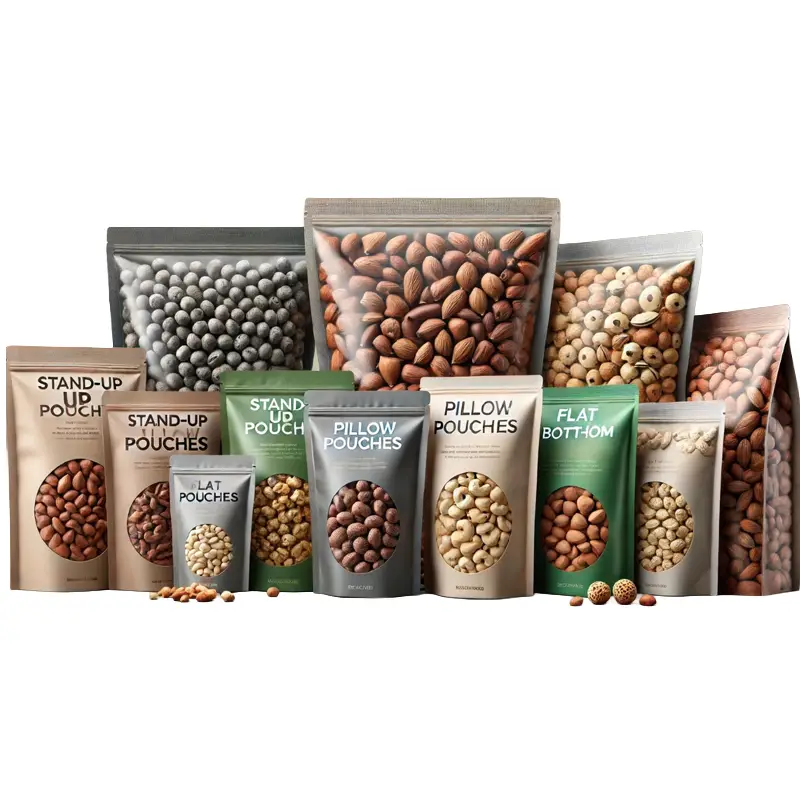
Bag style and dimensions
Share a photo or sample of your packaging. Include bag width, length, gusset dimensions if applicable, and any zipper requirements.
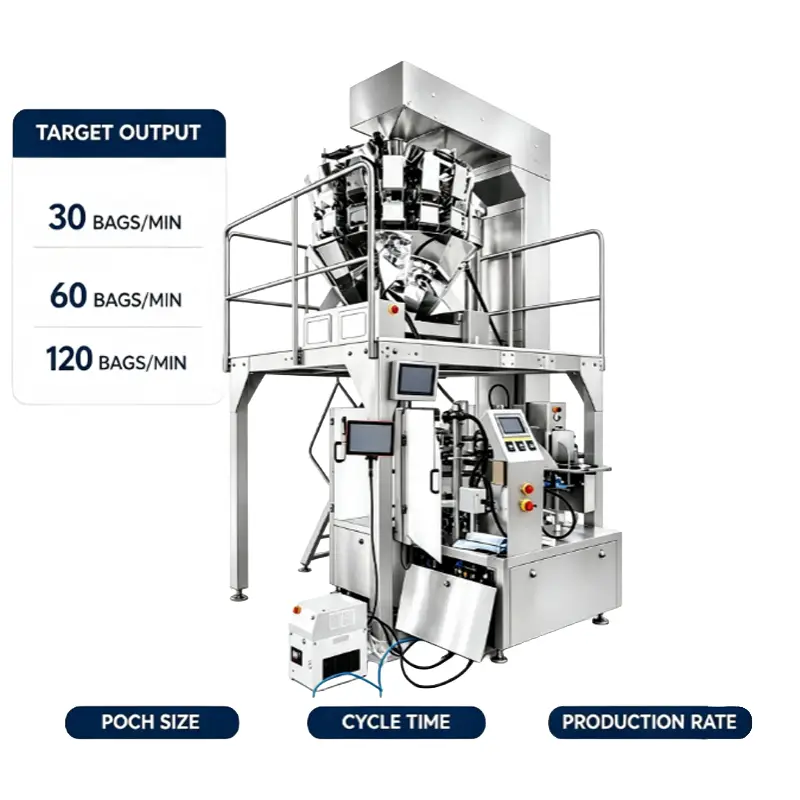
Required output
State your target number of finished bags per minute, expected working hours, and whether you need nitrogen flushing or other special functions.
Providing these details helps the supplier evaluate the configuration, identify potential limitations, and estimate a more realistic production capacity and quotation.
6. Nut Packaging Machine Video Demonstration
Seeing a machine run is often more informative than reading a specification sheet alone. A demonstration can help you evaluate how the nuts are fed, weighed, transferred into bags, and sealed.
When reviewing a demonstration, pay attention to the actual finished-pack output rather than the speed of an individual component. If your product is fragile or your bag design is unusual, request a test with your own nuts and packaging materials.
Final Thoughts
Choosing a nut packaging machine is about matching the equipment to your product, bag format, and production requirements. Weighing accuracy, gentle product handling, sealing quality, and finished-pack output all deserve attention before you make a decision.
At FRONTECH MACHINERY, we recommend starting with your product and packaging samples rather than selecting a machine based on advertised speed alone.
If you are planning to automate nut packaging, prepare your product type, target weight, bag dimensions, and required output. These details provide a practical starting point for evaluating a suitable packaging solution.
References
The following resources provide additional technical and regulatory information related to nut quality, storage, packaging, and food-contact materials.
- University of California, Davis — Postharvest Research and Extension Center: Modified-Atmosphere Packaging for Pistachios. Background on oxygen levels and quality preservation in pistachios and other tree nuts.
- University of California, Davis — Postharvest Research and Extension Center: Pistachio Postharvest Information. Information on storage conditions, oxygen exposure, and quality deterioration.
- U.S. Food and Drug Administration (FDA): Packaging and Food-Contact Substances. Regulatory information and industry guidance for materials that come into contact with food.
- U.S. Food and Drug Administration (FDA): Understanding How FDA Regulates Food-Contact Substances. An overview of the regulatory framework for food-contact substances.